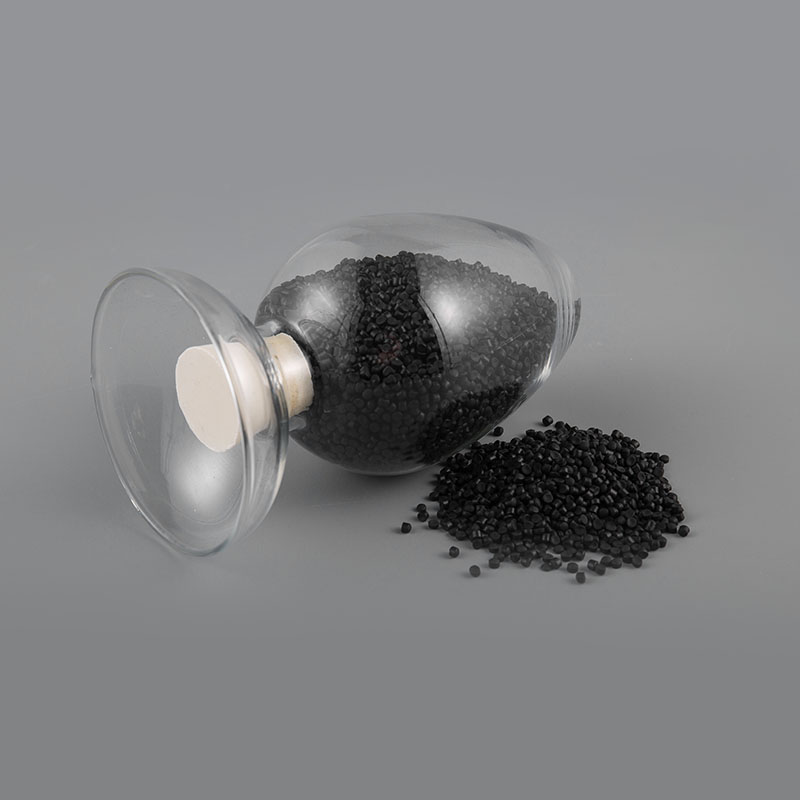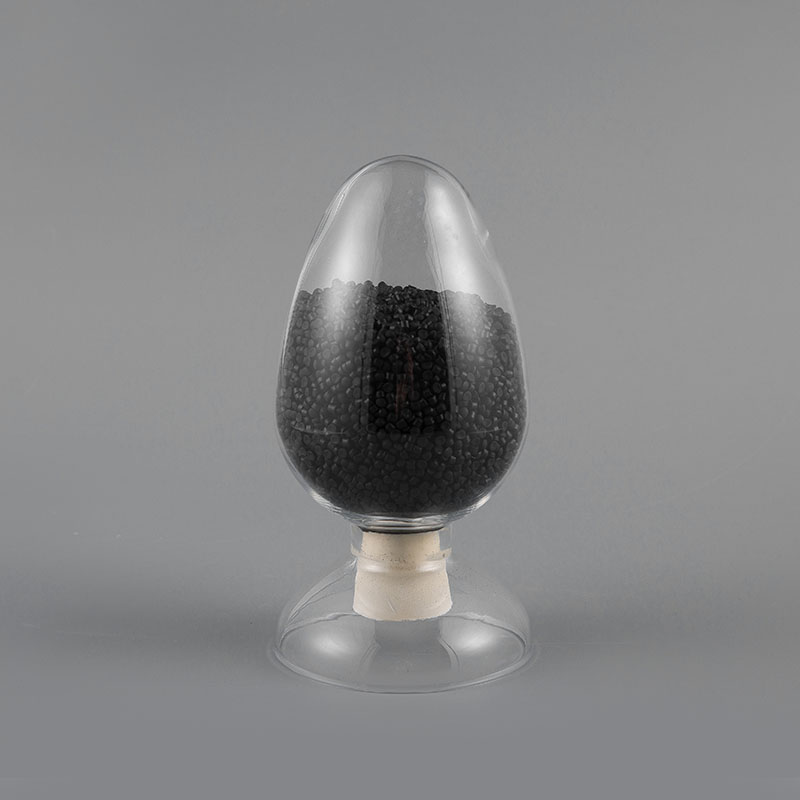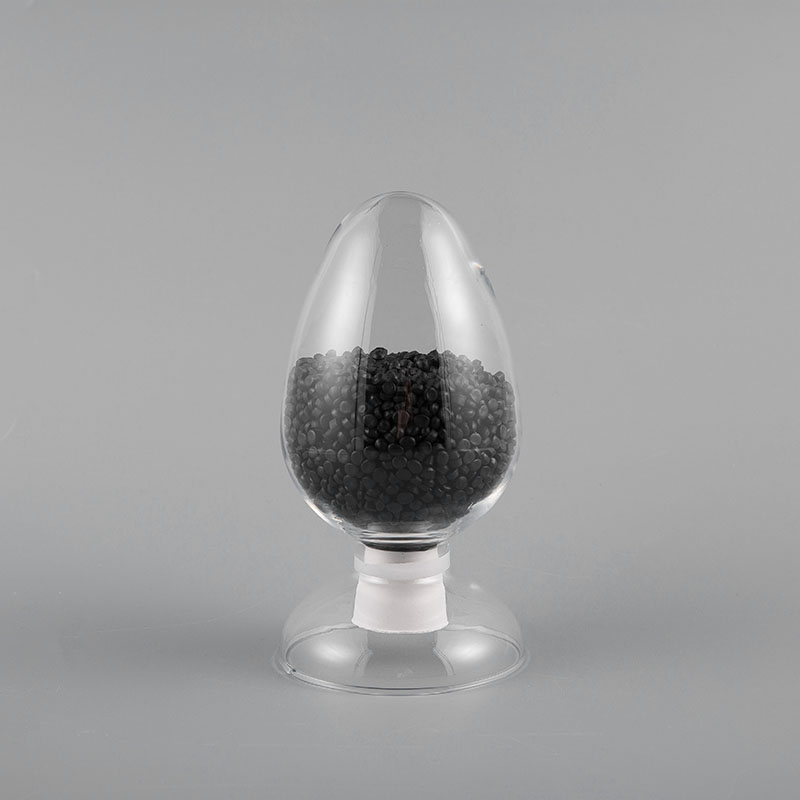
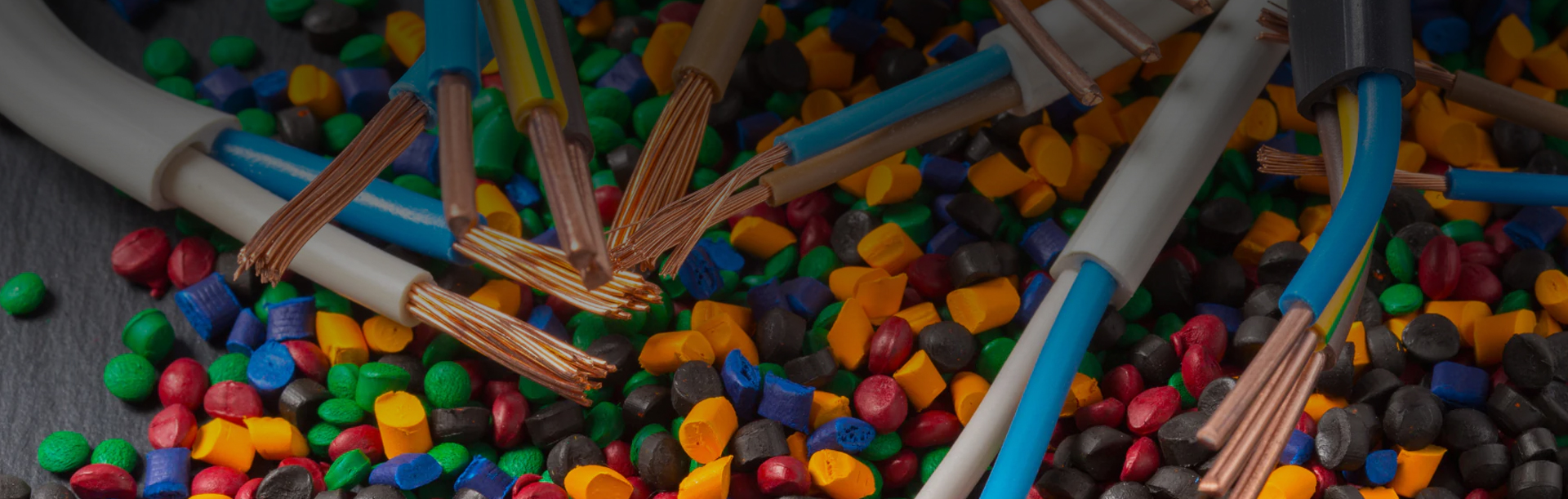
In the rapidly evolving landscape of telecommunications and data center infrastructure, the selection of jacketing and insulation materials is a critical engineering decision. The debate between traditional Polyvinyl Chloride (PVC) and LSZH compounds for cables has intensified as global safety standards prioritize human life and equipment integrity. Hangzhou Meilin New Material Technology Co., Ltd., established in 1994, has been at the forefront of this material transition. With 31 advanced automated production lines across three plants in Hangzhou, we specialize in high-performance LSZH compounds for cables. This article provides a technical comparison of LSZH vs PVC for communication cables, focusing on molecular stability, smoke density, and the evolving LSZH cable material safety standards.
The primary differentiator between these two materials is their behavior during combustion. PVC contains halogens (chlorine), which, when ignited, release hydrogen chloride gas—a toxic substance that turns into hydrochloric acid upon contact with moisture. Conversely, LSZH compounds for communication cables are formulated to be halogen-free, significantly reducing the smoke toxicity of cable compounds. When comparing LSZH vs PVC smoke density, LSZH materials produce a thin, white smoke that maintains visibility for emergency egress, whereas PVC produces dense, black smoke. Our halogen free flame retardant compounds utilize aluminum trihydrate (ATH) or magnesium hydroxide (MDH) to achieve fire suppression without toxic off-gassing.
| Performance Metric | Standard PVC | LSZH Compounds for Cables |
| Halogen Content | High (Chlorine based) | Zero (Halogen-Free) |
| Smoke Toxicity | High (Corrosive & Lethal) | Low (Non-corrosive) |
| Flame Spread | Self-extinguishing (but toxic) | High Flame Retardancy (Low Heat Release) |
Engineers often question the mechanical properties of LSZH vs PVC regarding flexibility and environmental stress cracking. Historically, PVC was favored for its superior flexibility and lower cost. However, advancements in UV resistant LSZH compounds and moisture resistant LSZH for outdoor cables have closed the performance gap. While PVC may have a slightly better bending radius of LSZH vs PVC cables, LSZH compounds manufactured by Hangzhou Meilin offer excellent aging resistance, ensuring long-term reliability of LSZH communication cables in high-density rack environments. For specialized deployments, understanding how to improve LSZH cable flexibility involves optimized cross-linking and plasticizer-free softening agents that do not migrate over time.
From a manufacturer's perspective, the processing temperature for LSZH compounds is more sensitive than PVC. PVC is relatively "forgiving" during extrusion, whereas LSZH requires precision temperature control to avoid pre-activation of the flame retardant fillers. At Hangzhou Meilin, our 31 production lines are specifically calibrated for LSZH cable extrusion tips, ensuring a smooth surface finish and consistent diameter. We also address cost comparison of LSZH vs PVC compounds by leveraging large-scale production (exceeding RMB 700 million output value in 2024), making high-safety materials more economically viable for global construction projects. Choosing LSZH compounds for cables today is not just a safety choice; it is a commitment to eco-friendly cable insulation materials that meet future regulatory requirements.
| Manufacturing Variable | PVC Processing | LSZH Processing |
| Extrusion Temperature | 140°C - 170°C | 150°C - 160°C (Narrow Window) |
| Tooling Wear | Low | Moderate (High filler content) |
| Environmental Compliance | RoHS Limited | Full REACH/RoHS Compliance |
While PVC remains a staple for general-purpose wiring, LSZH compounds for cables are the superior choice for communication networks where safety and reliability are paramount. The low toxicity and high fire retardancy of LSZH ensure that infrastructure remains resilient during emergencies. Hangzhou Meilin New Material Technology Co., Ltd. continues to invest in senior engineering talent and automated technology to provide the highest specification of LSZH, PVC, and XLPE materials, supporting a safer and more connected world.
Data centers contain high concentrations of expensive equipment and limited ventilation. In a fire, the corrosive gases from PVC would destroy sensitive circuitry even if the fire itself is extinguished. LSZH eliminates this risk of "secondary damage."
LSZH is generally 10% to 30% more expensive due to the high cost of halogen-free flame retardant fillers. However, the reduction in potential liability and safety equipment requirements often offsets this initial cost.
Yes, provided they are specifically formulated as UV resistant LSZH compounds. Without UV stabilizers, standard LSZH can become brittle when exposed to direct sunlight over long periods.
Key international standards include IEC 60332 (Flame Retardancy), IEC 60754 (Acid Gas Emission), and IEC 61034 (Smoke Density). Our products are tested to meet or exceed these global benchmarks.
Flexibility is improved by optimizing the base polymer blend (using EVA or PE) and controlling the particle size of the mineral fillers. Proper processing in advanced automated lines also ensures the material remains homogenous and pliable.
Somos fabricantes de materiales para cables y alambres eléctricos ODM/OEM.
No. 259 Xingyu Street, distrito de Lin'an, ciudad de Hangzhou, provincia de Zhejiang
+86-0571-63763088
CONTÁCTANOS ¿Proyecto creativo? Tengamos una charla productiva.
Derechos de autor © Hangzhou Meilin nuevos materiales Technology Co., Ltd. Reservados todos los derechos. Fabricantes de materiales de cables y alambres eléctricos personalizados